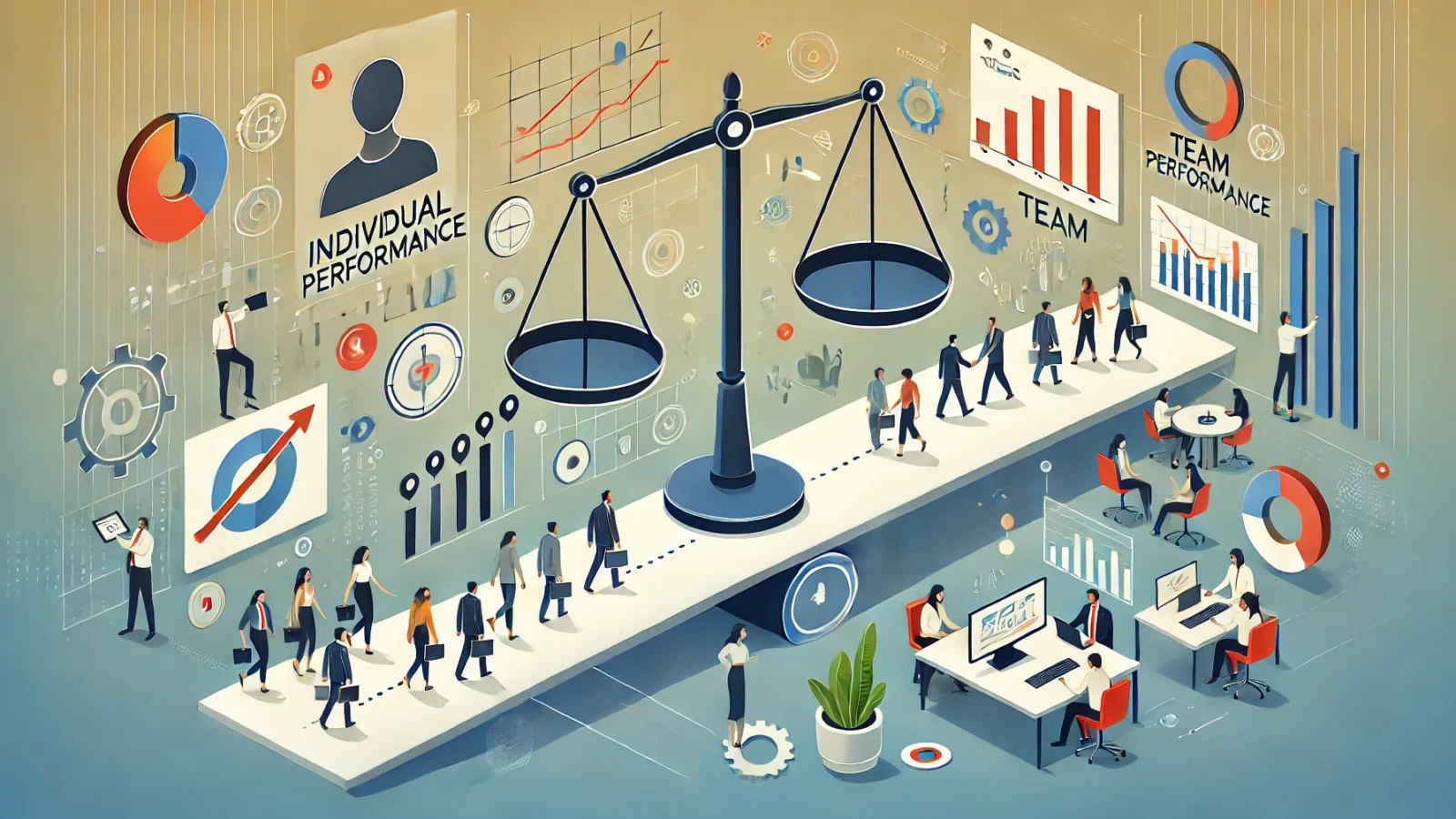
Organizations often evaluate an individual and then assume the result explains how a team will work. The assumption is incomplete. A person may bring strong experience, relevant competencies and good alignment with a role while introducing a different interaction pattern into a specific team.
Role Fit is not Team Fit
Role Fit asks how relevant person evidence relates to the responsibilities, competencies and context of the work. It considers what the role calls for and where development or uncertainty remains.
Team Fit asks how that person’s patterns may interact with the conditions and composition of a particular team. It considers complementary contribution, communication, pace, relationships and the way collective work is organized.
Neither perspective should be collapsed into one generic score. A strong role-alignment perspective does not guarantee an effortless team experience. A different team interaction does not make a person good or bad.
From individual patterns to collective context
Behavioral intelligence, values and motivators can help teams name differences that otherwise remain implicit. A direct pattern may add pace and may require clearer turn-taking. A steady pattern may support continuity and may need explicit space for challenge. An analytical pattern may strengthen scrutiny and may change how quickly the group reaches closure.
These are observations to examine. They are not predictions of performance. Actual outcomes also depend on leadership, role clarity, trust, workload, process and the organization around the team.
Make the relationship visible
TRIPA’s Team Dynamics perspective connects individual evidence with collective composition and relevant relationship context. The public Team Dynamics simulation illustrates how the team view changes only when membership changes, while Role Fit remains separately visible.
This separation helps leaders ask a better question: not merely whether a candidate fits, but which evidence is relevant to the role, which evidence is relevant to the team and what the accountable decision-maker should examine before acting.